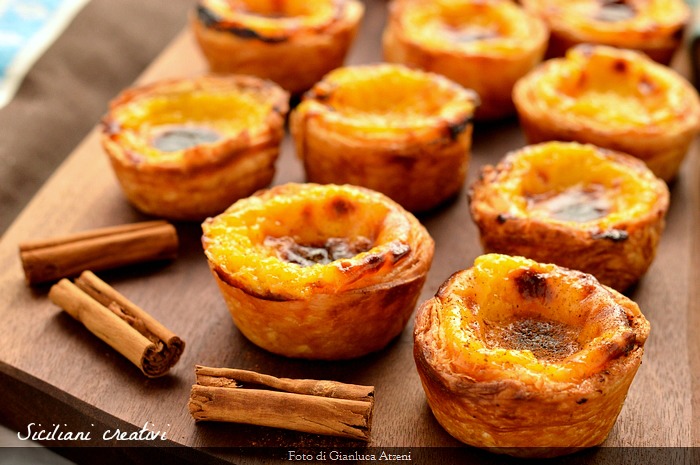
The Pasteis de Nata’s history dates back over 300 years, to Jerónimos Monastery in Belém, west of Lisbon. Today the monastery is a major tourist hotspot and a UNESCO World Heritage Site, but at the time it was a busy civil parish where, in the absence of laundry detergent, nuns and monks would use egg whites to starch their clothes. This process meant there were lots of egg yolks going spare, so to avoid these going to waste, they were instead used as a major ingredient in desserts. These little gems can be seen in every bakery or food shop throughout Lisbon especially in Belem. However, the best Pasteis in Lisbon can be found at Confeitaria da Gloria, a pastry shop in Amadora, which was crowned as the champion for 2023.
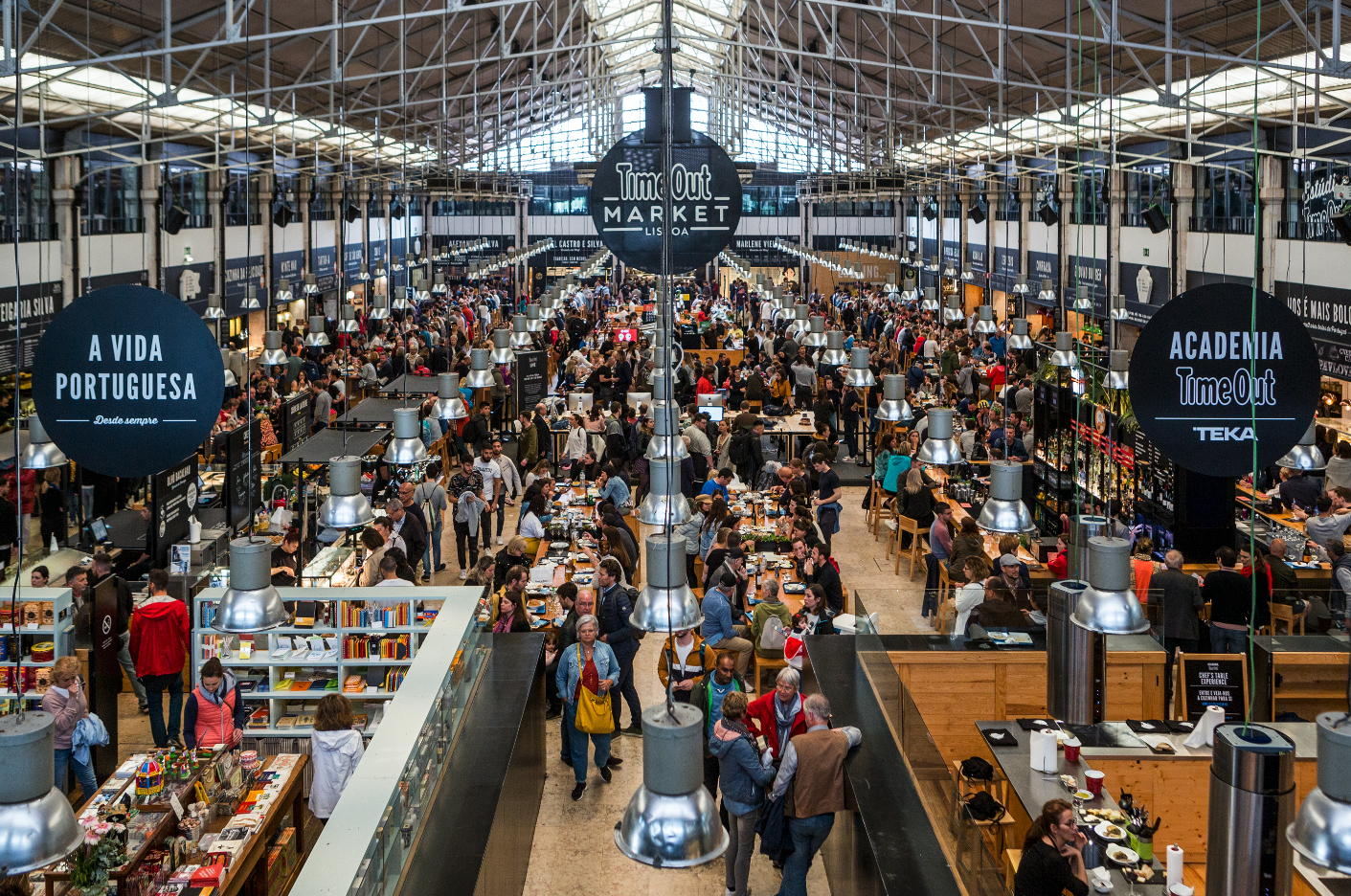
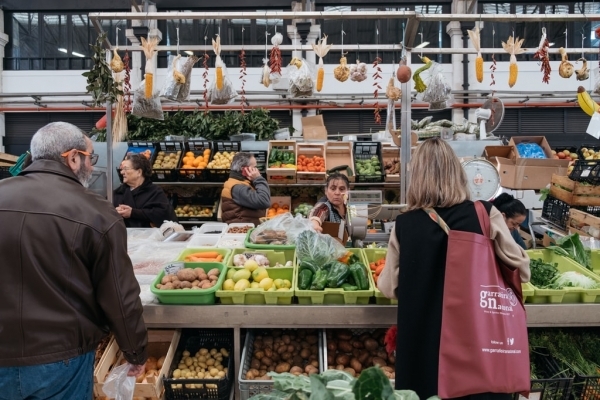
A must visit for everyone. Time Out Market, created from scratch by Time Out Portugal, has all the very best under one roof in Lisbon. The market is home to top-notch restaurants, bars, a cooking school and a high-end music venue. Here, you can find some of the freshest fish, meat and fruit in town, try the tastiest local wine and dine at over 40 restaurants specializing in both Portuguese cuisine and food from around the world. Sit inside to enjoy the ambience of the century-old market or outside to bask in the Lisbon sun. You can easily reach the market with the Lisbon Metro. Be Sure to check out some of the top Lisbon chef's such as Marlene Vieira and Henrique Sa Passoa.
Located in the heart of Lisbon, Mercado de Arroios is a vibrant and bustling market where locals come to buy fresh produce and other delicious treats. Here, you'll find a wide range of fruits, vegetables, fish, meat, cheese, and bread, all of which are sourced from local farmers and producers. One of the highlights of the Mercado de Arroios is the food court, where you can sample a wide range of local specialties. From fresh seafood to traditional Portuguese dishes, there's something here for everyone. Be sure to try the famous Pastéis de Nata, a delicious custard tart that's a favorite among locals and visitors alike. If you're looking for a unique and authentic culinary experience in Lisbon, the Mercado de Arroios is the perfect place to start. With its fresh produce, lively atmosphere, and delicious food, it's sure to be a highlight of your trip to this vibrant city. So come hungry, come curious, and get ready to discover the flavors of Lisbon at the Mercado de Arroios.
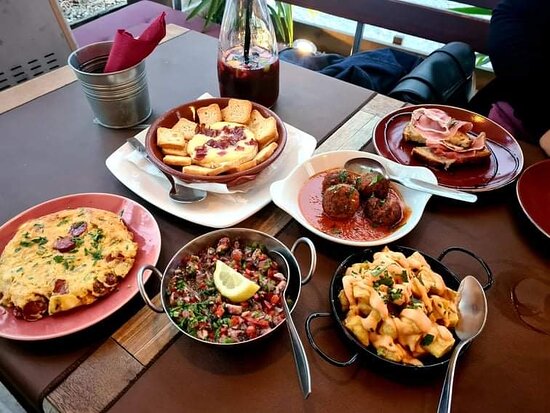
Lisbon is full of half-open doorways leading to crumbling tiled bougainvillea courtyards, or music being played somewhere, and behind this one busy tables of locals were eating together,a big grill at the front cooking giant pieces of meat, squid, beautiful fish, sardines. Tapas aren’t exactly a novelty in Portugal, but they were traditionally known as petiscos, or snacks. And going out for both snacks and tapas means having something to eat whilst you spend time with friends, a custom which is typical in a city like Lisbon, where people like their meals long and lively. Is there anything better? We ordered plates of beautifully grilled fish and groaned with happiness as friendly waiters skimmed by and restaurant regulars enjoyed several courses in no hurry at all. Some well known tasty tapas spots are "Tapa Bucho" , "Tapisco Lisboa" and the charming and casual "Tapas bar 52".
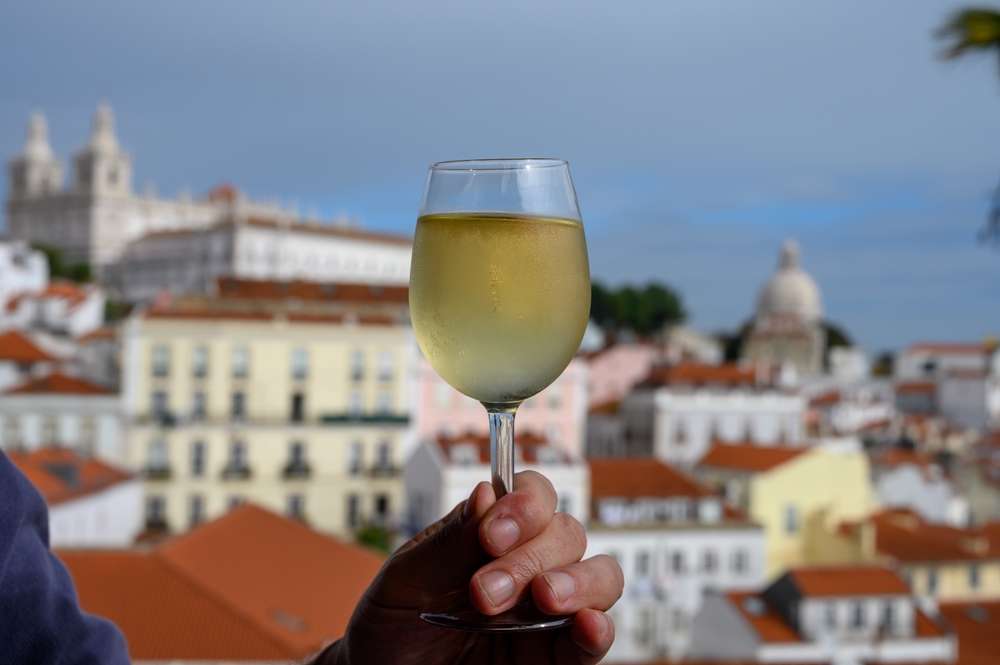
The freshest and most exciting wine region in Portugal at this moment is Lisbon. After the international success achieved by wines from the Douro and Alentejo, it is in the Lisbon region that the best experiences and newest surprises are to be found. By mixing traditional Portuguese grape varieties – Tinta Roriz and Touriga Franca besides the famous Touriga Nacional in red wines and Arinto, Encruzado and Alvarinho in whites – with Chardonnay and Cabernet Sauvignon the results have enthused even the most demanding of connoisseurs. Various designations of origin exist in the region with completely different characteristics. Muscatel from Setúbal has fans all around the world as a full-bodied and fortified wine. Bucelas still produces whites which were once appreciated by the English royal court, while Colares and Carcavelos have very small but historically very interesting production.